
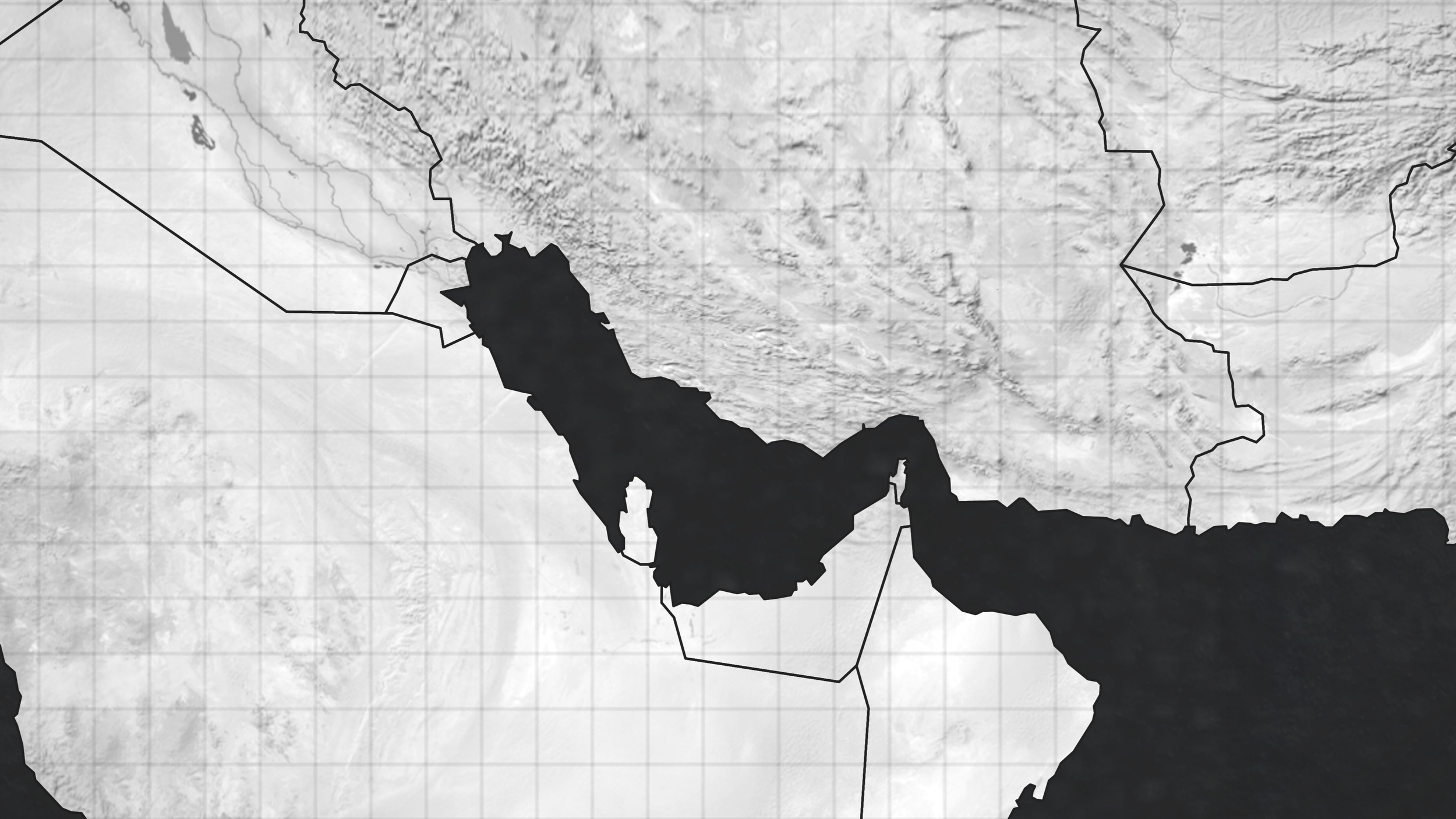
How Might We Seek Clarity in the Fog of War?
When we lack clarity,
the world feels chaotic.
Many people consume geopolitical news through fragments:
headlines, outrage, pundits.
But when we can see systems, interests and narratives more clearly, events make more sense.
This microsite is an invitation to peer into the conflict and see the interests of the actors.

The World We Want vs The World As It Is
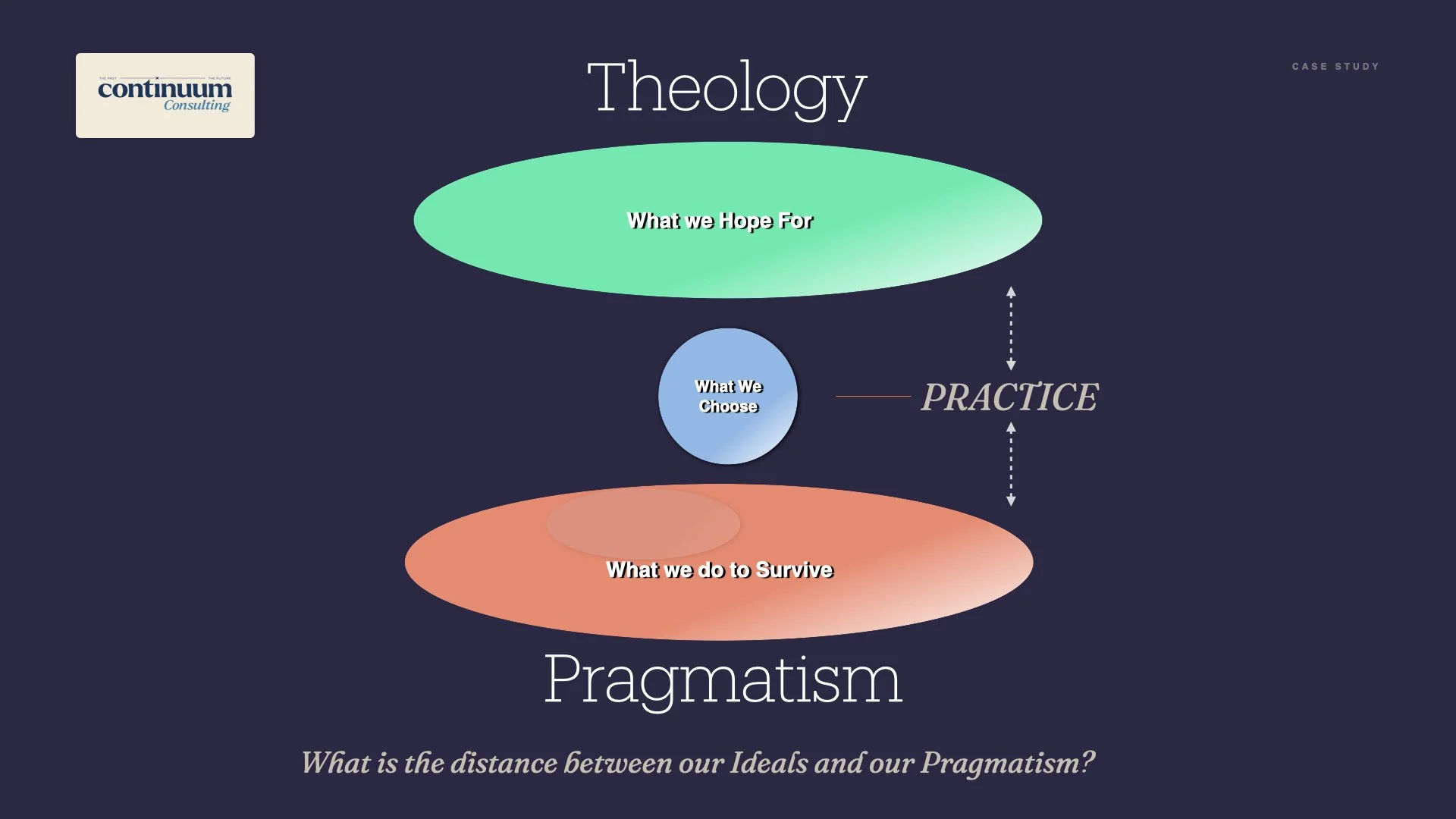
“A country has two foreign policies — a foreign policy of words, that is the theology of foreign policy, and a foreign policy of deed, that is the practical diplomacy. Every country needs both, but for a small country to confuse the two is suicidal…”
The Theology and Practice of Foreign Policy
“Are things what they seem to be?”
This is a question we begin to ask when reality fails to meet our expectations.
Rajaratnam’s framing gives us a grounded way to examine the gap between our hopes for fairness and the actual dynamics at play. It helps us ask: What is really happening beneath the surface?
Were we promised an outcome, and was that promise fulfilled?
If it was not fulfilled, then we need to ask a deeper question: What new, hidden, or unspoken conditions must be provisioned for before the situation can become more favourable?
In this sense, the gap between promise and reality becomes a way of learning how power & interests are actually operating.

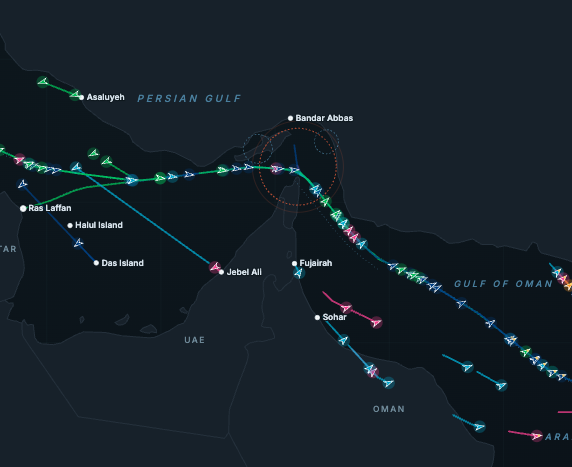
The Global Eye: Hormuz
Navigate the conflict through our interactive map showing the timeline of events and the flow of energy.
Press Play to watch the timeline unfold.
Making Sense of the Chaotic World
As world events become more unpredictable, you may have noticed a fatigue set in:
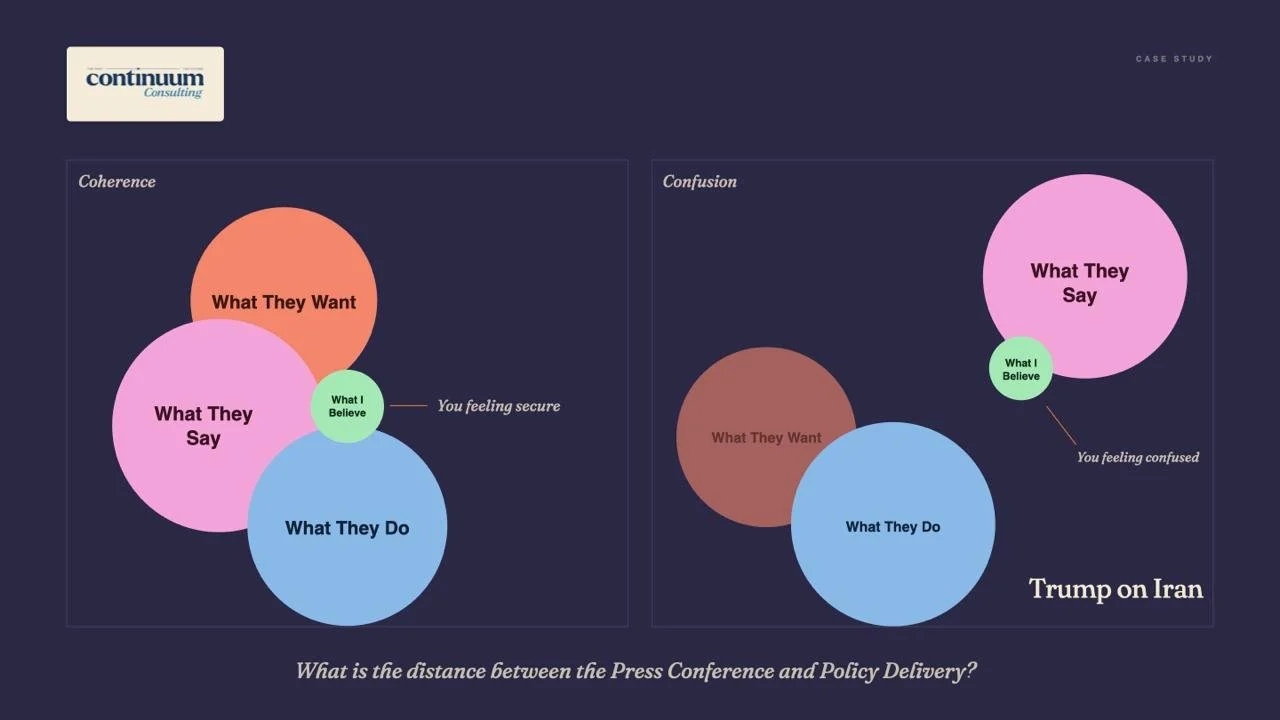
How often have you felt confused by the pronouncements of world leaders at press briefings not matching the actions they chose later?
Our Stories of the World may serve us or bring confusion.
What is your story of the world?
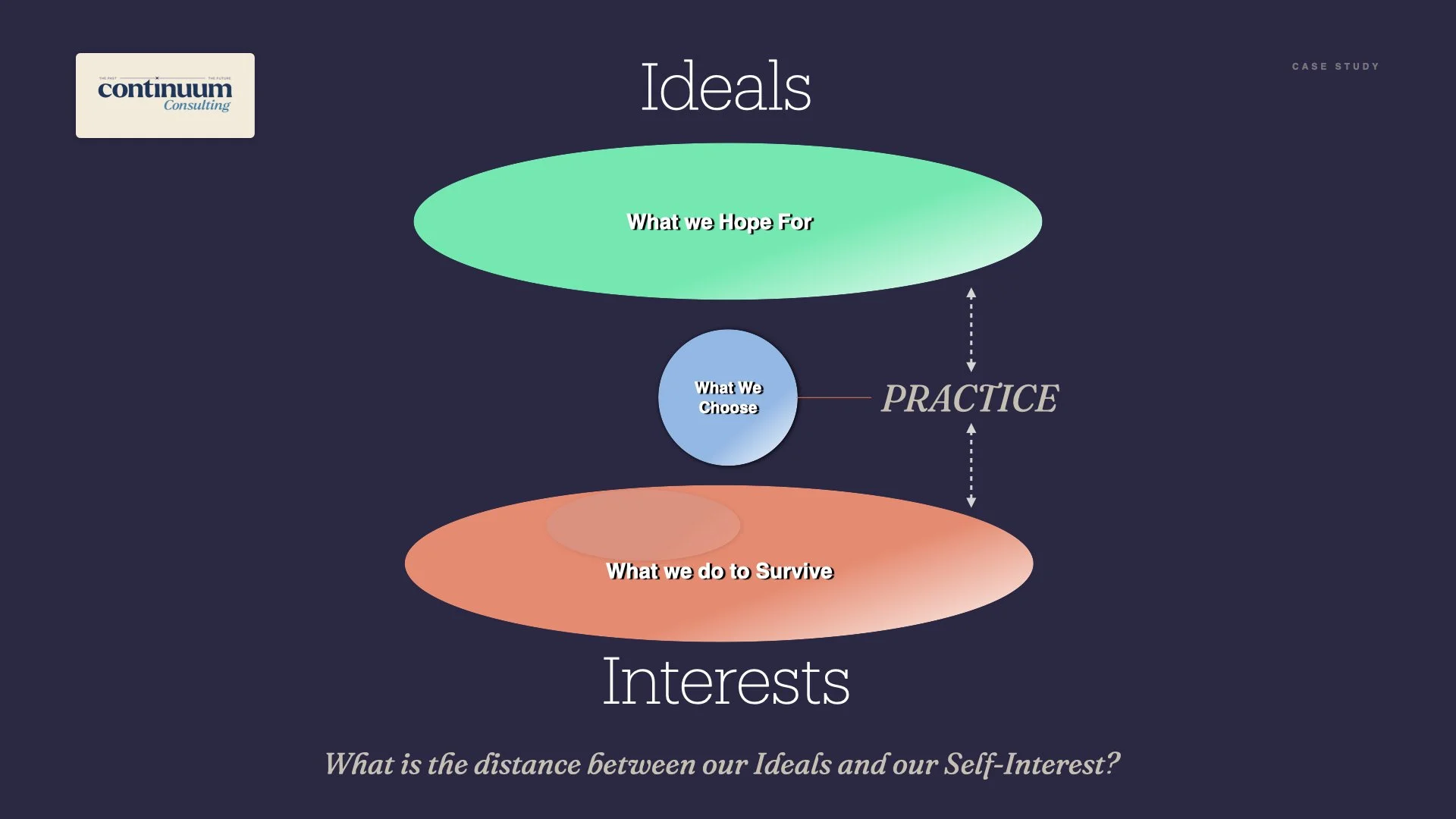
How much of it is framed in ideals and expectations of fairness and order?
Or does your story of the world also include a grounded look at how people behave and their interests?
Holding to both our ideals for the world while also looking at the interests of all parties, may save us from the whiplash of cognitive dissonance when listening to what is said and seeing what is actually done.
Learn more about the sovereignty of small states
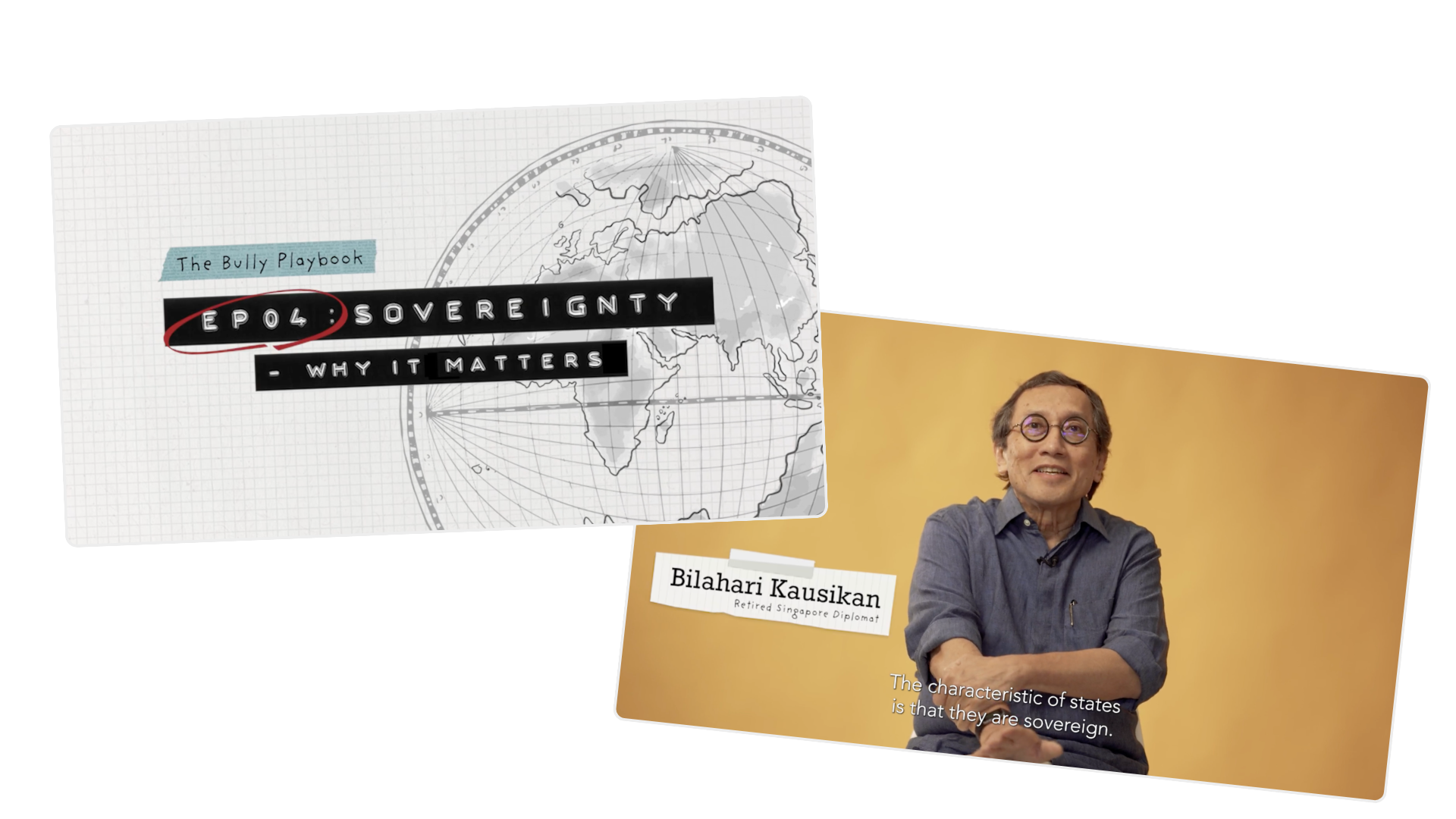
Bilahari Kausikan talks about the challenges Singapore faces as a small state, what sovereignty means and why it matters through case studies from global affairs.
Get your free video resource today!
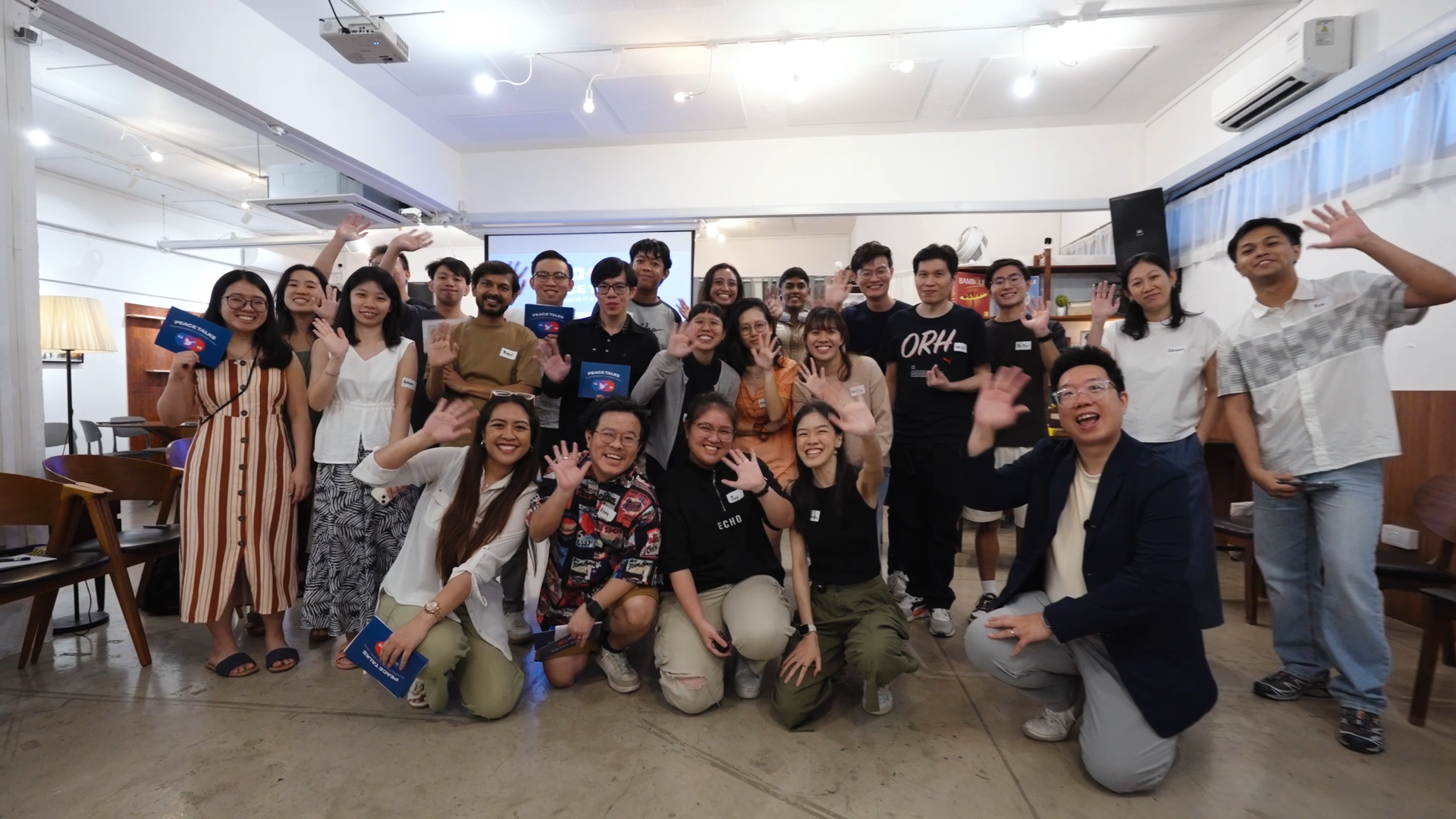

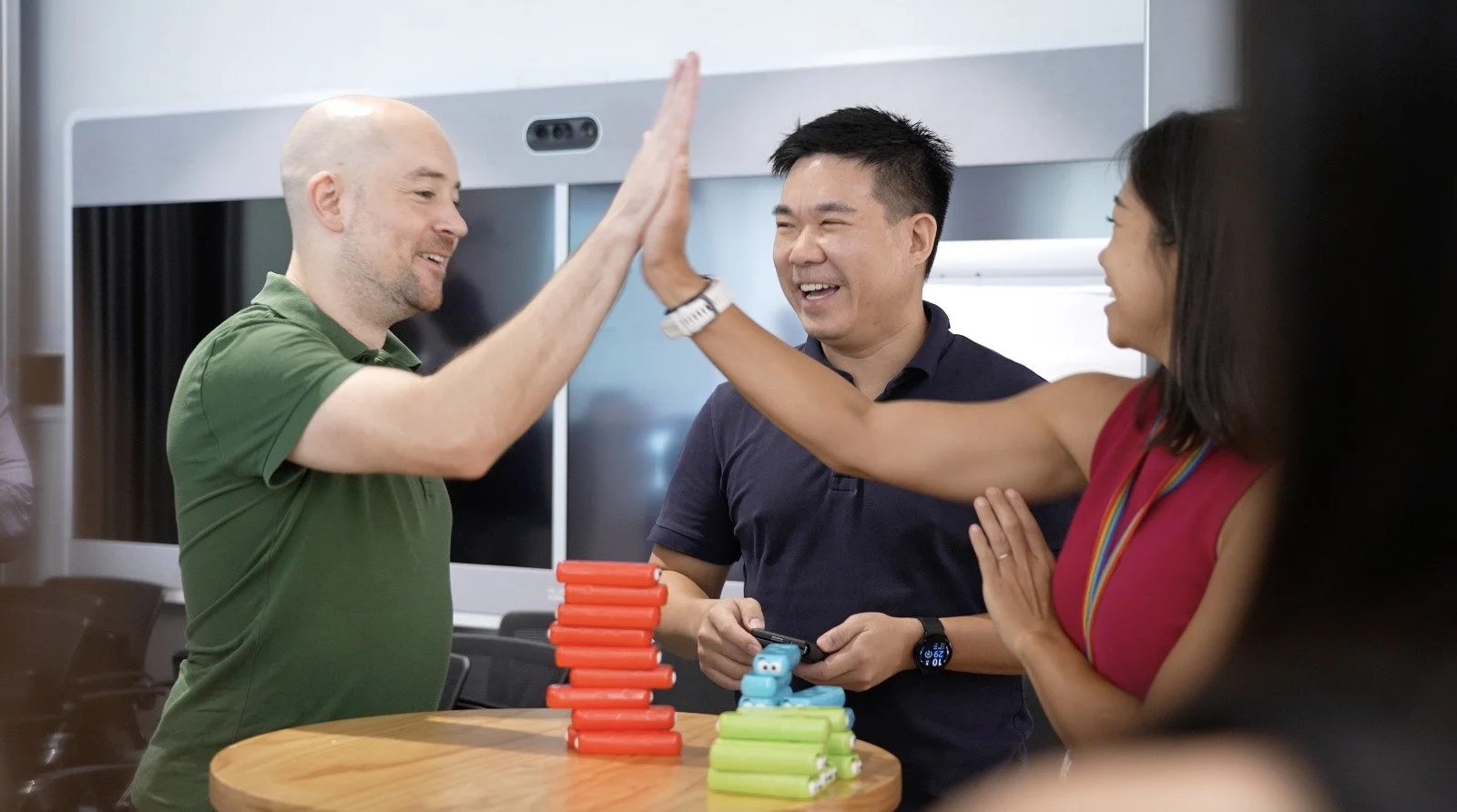
We help your team see systems
Level up your team’s ability to see systems and drive your organisation’s mission forward in a more complex world.
Chat with us about designing a workshop or training experience to help your team navigate complexity with greater clarity and confidence.